

BK8 – Nhà Cái Slot Game & Casino Trực Tuyến Hàng Đầu Châu Á 2025
BK8 đã và đang khẳng định vị thế hàng đầu tại Châu Á, trở thành một trong những nhà cái đáng tin cậy nhất hiện nay, Giữa hàng loạt lựa chọn trong thị trường cá cược online, việc lựa chọn được một sân chơi uy tín và chất lượng thực sự không phải là điều dễ dàng. Hãy cùng khám phá kỹ hơn những điểm nổi bật làm nên sự khác biệt của Trang chủ BK8 – nhà cái trực tuyến uy tín bậc nhất khu vực.
Trong bối cảnh thị trường giải trí trực tuyến ngày càng sôi động, BK8 đã vươn lên thành một trong những cái tên hàng đầu, được cộng đồng người chơi cá cược tại Châu Á và toàn cầu tin tưởng lựa chọn như một địa chỉ uy tín và đẳng cấp.
Giới Thiệu Chung Về BK8
Thị trường cá cược trực tuyến toàn cầu đã chứng kiến sự bùng nổ mạnh mẽ trong hơn một thập kỷ qua, và trong dòng chảy đó, nhiều nhà cái đã ra đời, phát triển và định hình vị thế của mình. Trong số đó, BK8 không chỉ là một cái tên đơn thuần mà đã trở thành một biểu tượng cho sự tin cậy, đổi mới và chất lượng dịch vụ vượt trội. Sự hiện diện của BK8 không chỉ giới hạn ở một khu vực địa lý cụ thể mà đã vươn tầm ảnh hưởng sâu rộng khắp Châu Á, đặc biệt là các thị trường năng động như Việt Nam, Thái Lan, Malaysia, Indonesia, và Singapore, định hình lại những tiêu chuẩn và kỳ vọng của người chơi về một nền tảng cá cược trực tuyến chuyên nghiệp. Để hiểu rõ hơn về tầm vóc của BK8, chúng ta cần nhìn lại hành trình hình thành và phát triển, định hình đối tượng khách hàng chiến lược, cũng như phân tích tầm quan trọng không thể phủ nhận của thương hiệu này trong ngành công nghiệp tỷ đô.
Hành Trình Hình Thành và Phát Triển
Lịch sử của BK8 không phải là một câu chuyện về sự bật lên tức thời, mà là một quá trình xây dựng kiên trì, dựa trên tầm nhìn dài hạn và sự thích ứng liên tục với thị trường đầy biến động. Khởi đầu với những bước đi thận trọng, BK8 đặt nền móng với mục tiêu trở thành một nhà cung cấp giải trí cá cược trực tuyến uy tín và an toàn. Giai đoạn ban đầu tập trung vào việc xây dựng một hệ thống nền tảng vững chắc, thu thập các giấy phép hoạt động hợp pháp từ các cơ quan quản lý uy tín như Curacao eGaming, Malta Gaming Authority (MGA), và Philippine Amusement and Gaming Corporation (PAGCOR). Đây là những cột mốc quan trọng, khẳng định cam kết của BK8 về tính minh bạch và công bằng, tạo dựng niềm tin ban đầu với cộng đồng người chơi.
Sự phát triển của BK8 không chỉ dừng lại ở việc đáp ứng các yêu cầu pháp lý mà còn chú trọng đầu tư mạnh mẽ vào công nghệ. Họ đã không ngừng nâng cấp hệ thống, tích hợp các công nghệ bảo mật tiên tiến nhất để đảm bảo an toàn tuyệt đối cho dữ liệu và giao dịch của người chơi. Từ một nền tảng ban đầu chỉ với vài trò chơi cơ bản, BK8 đã mở rộng danh mục sản phẩm của mình một cách đáng kinh ngạc, từ cá cược thể thao, casino trực tuyến, đến các trò chơi slot, xổ số và game bài 3D. Điều này cho thấy tầm nhìn chiến lược của BK8 trong việc đa dạng hóa sản phẩm để đáp ứng nhu cầu ngày càng phong phú của thị trường. Việc ký kết hợp tác với các nhà cung cấp game hàng đầu thế giới như Evolution Gaming, Pragmatic Play, Asia Gaming, và Saba Sports đã nâng tầm chất lượng các trò chơi, mang đến trải nghiệm giải trí đỉnh cao, mượt mà và công bằng nhất. Với sự đầu tư không ngừng này, BK8 đã nhanh chóng khẳng định vị thế của mình, không chỉ là một nhà cái, mà là một đối tác giải trí đáng tin cậy, vượt qua mọi kỳ vọng của người dùng.
Trong những năm gần đây, BK8 đã mở rộng đáng kể sự hiện diện toàn cầu của mình thông qua các chiến dịch marketing bài bản và việc tài trợ cho các câu lạc bộ bóng đá nổi tiếng thế giới. Việc hợp tác với các đội bóng lớn tại La Liga hay Premier League không chỉ gia tăng tầm nhìn thương hiệu mà còn khẳng định vị thế của BK8 là một đối tác đáng tin cậy và có tiềm lực tài chính dồi dào. Các chiến lược này đã giúp BK8 tiếp cận hàng triệu người hâm mộ thể thao trên toàn cầu, củng cố hình ảnh một thương hiệu giải trí hàng đầu. Bên cạnh đó, BK8 cũng rất chú trọng đến yếu tố bản địa hóa trong hoạt động của mình. Điều này được thể hiện rõ qua việc cung cấp giao diện website và dịch vụ hỗ trợ khách hàng bằng nhiều ngôn ngữ khác nhau, cũng như tích hợp các phương thức thanh toán phù hợp với từng quốc gia cụ thể. Chính sự linh hoạt và khả năng thích ứng này đã giúp BK8 nhanh chóng chiếm được cảm tình và sự tin tưởng của người chơi ở các thị trường khó tính nhất. Có thể nói, hành trình của BK8 là một minh chứng sống động cho sự kết hợp giữa công nghệ tiên tiến, chiến lược kinh doanh thông minh và sự cam kết không ngừng nghỉ đối với chất lượng dịch vụ.
Đối Tượng Khách Hàng Chính
Việc xác định và thấu hiểu đối tượng khách hàng là yếu tố then chốt cho sự thành công của bất kỳ doanh nghiệp nào, và BK8 cũng không ngoại lệ. Đối tượng khách hàng chính của BK8 rất đa dạng, nhưng nhìn chung có thể phân loại thành các nhóm chính, mỗi nhóm có những đặc điểm và nhu cầu riêng biệt. Nhóm đầu tiên và đông đảo nhất là những người đam mê cá cược thể thao. Đây là những cá nhân yêu thích bóng đá, bóng rổ, quần vợt, eSports và nhiều môn thể thao khác, luôn tìm kiếm một nền tảng cung cấp tỷ lệ cược cạnh tranh, đa dạng các loại kèo, và khả năng đặt cược trực tiếp trong trận đấu. Họ thường là những người có kiến thức sâu rộng về thể thao, theo dõi sát sao các giải đấu và đội tuyển, và mong muốn có thể áp dụng những phân tích của mình vào các kèo cược để gia tăng sự hấp dẫn của trải nghiệm xem. BK8 đã rất thành công trong việc thu hút nhóm khách hàng này nhờ việc cung cấp một kho tàng các môn thể thao và giải đấu từ khắp nơi trên thế giới, bao gồm cả những giải đấu nhỏ và độc đáo, đi kèm với hệ thống bảng kèo được cập nhật liên tục và chính xác.
Thêm vào đó, nhóm khách hàng thứ hai không kém phần quan trọng là những người yêu thích trải nghiệm casino trực tuyến. Họ là những người tìm kiếm sự hồi hộp của sòng bạc truyền thống nhưng muốn trải nghiệm nó ngay tại nhà, thông qua các trò chơi như Baccarat, Roulette, Blackjack, Poker với Dealer trực tiếp. Đối tượng này thường là những người ưa chuộng sự tương tác chân thực, yêu thích không khí sôi động của sòng bạc và đánh giá cao tính minh bạch, công bằng trong mỗi ván bài. BK8 đã đầu tư mạnh vào các sảnh casino trực tuyến với công nghệ phát sóng chất lượng cao, hình ảnh sắc nét, âm thanh sống động, và đội ngũ Dealer chuyên nghiệp, xinh đẹp. Điều này không chỉ mang lại cảm giác chân thực như đang ngồi tại Las Vegas hay Macau, mà còn đảm bảo sự công bằng và minh bạch tối đa, tạo dựng niềm tin vững chắc cho người chơi. Hơn nữa, việc hợp tác với các nhà cung cấp hàng đầu như Evolution Gaming, Pragmatic Play Live đã đảm bảo rằng người chơi luôn có thể tiếp cận với những trò chơi mới nhất và có chất lượng tốt nhất, từ đó giữ chân và thu hút thêm nhiều người chơi đam mê casino.
Cuối cùng, một nhóm khách hàng đáng kể khác là những người chơi giải trí, tìm kiếm sự đa dạng trong các trò chơi slot, game bài 3D và xổ số. Nhóm này có thể không quá chú trọng vào việc phân tích kèo cược hay chiến thuật phức tạp, mà đơn thuần tìm kiếm những giây phút thư giãn, giải trí nhẹ nhàng với cơ hội giành được những phần thưởng lớn. Họ dễ bị thu hút bởi đồ họa bắt mắt, âm thanh sống động, và những tính năng jackpot hấp dẫn trong các trò chơi slot. Với game bài 3D và xổ số, họ tìm kiếm sự đơn giản, tiện lợi và may rủi. BK8 đã nắm bắt rất tốt tâm lý này bằng cách cung cấp một thư viện game slot khổng lồ với hàng nghìn chủ đề khác nhau, từ cổ điển đến hiện đại, cùng với các trò chơi bắn cá, xổ số Keno, và các game bài dân gian 3D quen thuộc. Hơn nữa, BK8 cũng chú trọng đến việc tạo ra các chương trình khuyến mãi hấp dẫn, tiền thưởng chào mừng, và các sự kiện đặc biệt để thu hút và giữ chân các nhóm khách hàng này. Nhìn chung, việc hiểu rõ từng nhóm đối tượng khách hàng đã giúp BK8 xây dựng một chiến lược sản phẩm và marketing toàn diện, đáp ứng nhu cầu đa dạng và duy trì vị thế dẫn đầu trên thị trường.
Tầm Quan Trọng của BK8 Trong Ngành Công Nghiệp Cá Cược
Trong bức tranh toàn cảnh của ngành công nghiệp cá cược trực tuyến, BK8 không chỉ là một nhà cái đơn thuần mà đã và đang đóng vai trò quan trọng trong việc định hình xu hướng và nâng tầm chất lượng dịch vụ. Tầm quan trọng của BK8 được thể hiện qua nhiều khía cạnh, từ việc thiết lập các tiêu chuẩn hoạt động, đóng góp vào sự phát triển của thị trường, cho đến ảnh hưởng của nó đối với trải nghiệm của người chơi. Một trong những vai trò then chốt của BK8 là việc tiên phong áp dụng các công nghệ tiên tiến nhất trong lĩnh vực giải trí trực tuyến. Từ công nghệ phát trực tiếp casino chất lượng cao, hệ thống bảo mật SSL 128 bit, cho đến việc tích hợp trí tuệ nhân tạo (AI) để tối ưu hóa trải nghiệm người dùng và phát hiện các hành vi gian lận. Những đổi mới này không chỉ giúp BK8 giữ vững vị thế dẫn đầu mà còn tạo áp lực cạnh tranh lành mạnh, thúc đẩy các nhà cái khác cũng phải không ngừng cải thiện và đổi mới để không bị bỏ lại phía sau. Điều này góp phần vào sự phát triển chung của toàn ngành, mang lại lợi ích cho người chơi bằng những dịch vụ ngày càng tốt hơn.
Hơn nữa, BK8 còn đóng góp vào việc nâng cao nhận thức về cá cược có trách nhiệm. Trong một ngành công nghiệp thường xuyên đối mặt với những định kiến tiêu cực, BK8 đã tích cực thúc đẩy các chính sách và công cụ hỗ trợ người chơi kiểm soát hành vi cá cược của mình, bao gồm giới hạn tiền gửi, giới hạn thời gian chơi, và khả năng tự loại trừ. Điều này không chỉ thể hiện trách nhiệm xã hội của một doanh nghiệp lớn mà còn giúp xây dựng một môi trường cá cược lành mạnh và bền vững. Việc BK8 liên tục truyền tải thông điệp về cá cược an toàn và có trách nhiệm đã góp phần thay đổi cách nhìn của công chúng về ngành công nghiệp này, từ một hình thức giải trí tiềm ẩn rủi ro thành một hoạt động được kiểm soát và có ý thức. Đây thực sự là một bước tiến rất quan trọng cho sự phát triển lâu dài của ngành.
Cuối cùng, tầm quan trọng của BK8 còn thể hiện ở vai trò là một “người tạo ra xu hướng” trên thị trường. Thông qua các chiến dịch marketing sáng tạo, việc hợp tác với các đại sứ thương hiệu nổi tiếng trong giới thể thao, và việc chủ động tham gia vào các sự kiện lớn, BK8 không chỉ khuếch trương tên tuổi của mình mà còn tạo ra những làn sóng ảnh hưởng đến toàn bộ ngành. Việc tài trợ cho các câu lạc bộ bóng đá hàng đầu thế giới không chỉ là một khoản đầu tư marketing mà còn là một tuyên bố mạnh mẽ về tiềm lực tài chính và uy tín của BK8. Điều này đã giúp BK8 không chỉ giữ chân được lượng khách hàng hiện có mà còn thu hút một lượng lớn người chơi mới, đặc biệt là những người yêu thích bóng đá và các môn thể thao khác. Những bước đi này không chỉ mang lại lợi ích trực tiếp cho BK8 mà còn góp phần nâng cao tính chuyên nghiệp, minh bạch và tính giải trí của ngành cá cược trực tuyến nói chung, khẳng định vị thế của BK8 như một trụ cột vững chắc và có tầm ảnh hưởng sâu rộng trong thị trường giải trí số.
Các Dịch Vụ Của BK8
Trong một thị trường cá cược trực tuyến đầy cạnh tranh, sự đa dạng và chất lượng của các dịch vụ là yếu tố sống còn để thu hút và giữ chân người chơi. BK8 đã chứng minh được năng lực vượt trội của mình bằng cách xây dựng một hệ sinh thái giải trí trực tuyến toàn diện, đáp ứng mọi nhu cầu và sở thích của mọi người. Từ những trận đấu thể thao đỉnh cao đến không khí sôi động của sòng bạc trực tuyến, và cả sự thư giãn cùng may mắn từ các trò chơi slot, BK8 đều mang đến những trải nghiệm tối ưu. Sự khác biệt của BK8 không chỉ nằm ở số lượng trò chơi mà còn ở chất lượng dịch vụ khách hàng, đảm bảo rằng mọi thắc mắc và vấn đề của người chơi đều được giải quyết kịp thời và chuyên nghiệp.
Cược Thể Thao
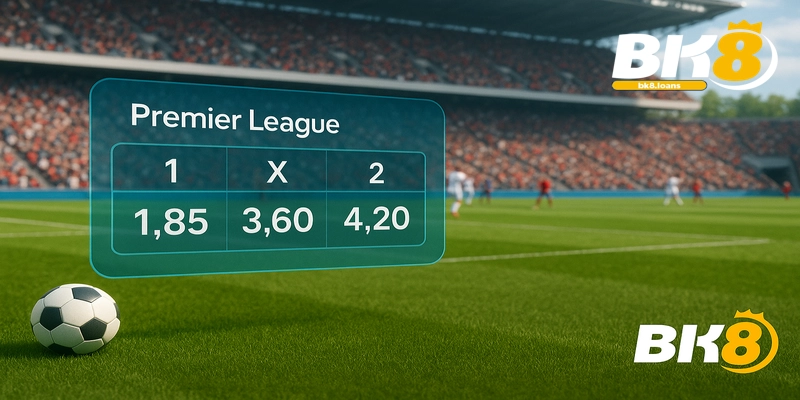
Cá cược thể thao là một trong những trụ cột chính, đồng thời cũng là niềm tự hào của BK8, thu hút hàng triệu người chơi trên khắp Châu Á và toàn cầu. Nền tảng cá cược thể thao của BK8 được thiết kế để mang đến trải nghiệm toàn diện và tối ưu nhất cho người hâm mộ. Người chơi có thể tìm thấy một danh mục các môn thể thao vô cùng phong phú, từ bóng đá, bóng rổ, quần vợt, bóng chuyền, khúc côn cầu, cho đến các môn thể thao điện tử (eSports) đang phát triển mạnh mẽ như Liên Minh Huyền Thoại (LoL), Dota 2, CS:GO. Sự đa dạng này đảm bảo rằng dù bạn là fan của bất kỳ môn thể thao nào, bạn cũng sẽ tìm thấy giải đấu và trận đấu mình quan tâm. Các giải đấu lớn như Premier League, La Liga, Serie A, Champions League trong bóng đá, hay NBA trong bóng rổ đều được cập nhật liên tục với tỷ lệ cược cạnh tranh nhất.
Không chỉ dừng lại ở số lượng môn thể thao, BK8 còn cung cấp một loạt các loại kèo cược phong phú, đáp ứng mọi cấp độ và chiến lược của người chơi. Từ các kèo cược cơ bản như kèo chấp (Handicap), kèo tài xỉu (Over/Under), kèo châu Âu (1X2), đến những kèo phụ độc đáo hơn như kèo phạt góc, kèo thẻ phạt, kèo ném biên, hay thậm chí là kèo cầu thủ ghi bàn đầu tiên. Điều này mang lại sự linh hoạt tối đa cho người chơi, cho phép họ áp dụng các chiến lược và phân tích chuyên sâu của mình vào từng trận đấu. Đặc biệt, tính nă
ng cược trực tiếp (Live Betting) là một điểm nhấn của BK8, cho phép người chơi đặt cược ngay trong khi trận đấu đang diễn ra. Với những cập nhật tỷ lệ cược theo thời gian thực và biểu đồ diễn biến trận đấu trực quan, người chơi có thể đưa ra quyết định nhanh chóng, tận dụng những khoảnh khắc vàng để giành chiến thắng.
Hơn nữa, BK8 còn hợp tác với các nhà cung cấp kèo hàng đầu thế giới như SABA Sports, CMD368, và Maxbet (IBCBET) để đảm bảo rằng tỷ lệ cược luôn được cập nhật nhanh chóng, chính xác và cạnh tranh nhất thị trường. Giao diện sảnh cược thể thao được thiết kế khoa học, dễ sử dụng, cho phép người chơi dễ dàng tìm kiếm trận đấu, xem bảng tỷ lệ và đặt cược chỉ với vài thao tác đơn giản. Dù là trên máy tính hay thiết bị di động, trải nghiệm cá cược đều mượt mà và không bị gián đoạn. Đây là một minh chứng rõ ràng cho cam kết của BK8 trong việc mang đến một nền tảng cá cược thể thao đẳng cấp, nơi người chơi không chỉ được tham gia mà còn được tận hưởng trọn vẹn niềm đam mê thể thao của mình, với sự tin cậy và minh bạch tuyệt đối trong từng kèo cược, củng cố vững chắc vị thế của một nhà cái hàng đầu Châu Á hiện nay.
Casino Trực Tuyến
Nhà cái BK8 đã đầu tư một cách đáng kể vào sảnh Casino Trực Tuyến của mình, biến nó thành một trung tâm giải trí đẳng cấp mang tầm quốc tế, nơi người chơi có thể trải nghiệm không khí náo nhiệt và chân thực như đang hiện diện tại một sòng bạc danh tiếng bậc nhất thế giới. Điểm nổi bật nhất của Casino Trực Tuyến tại BK8 chính là sự đa dạng tuyệt vời trong các trò chơi, từ những lựa chọn kinh điển đã gắn liền với tên tuổi của casino như Baccarat, Roulette, Blackjack, cho đến Sic Bo, Dragon Tiger, và nhiều trò chơi bài khác được phát triển dành riêng cho thị trường Châu Á. Mỗi trò chơi đều được tối ưu hóa thân thiện để mang lại trải nghiệm mượt mà, không giật lag, với chất lượng hình ảnh Full HD rõ nét và âm thanh sống động, tái tạo hoàn hảo từng chi tiết, từ tiếng xáo bài, tiếng bóng lăn trên bánh xe Roulette, đến tiếng Dealer trò chuyện với người chơi.
Để đảm bảo chất lượng vượt trội và sự công bằng tuyệt đối, BK8 đã bắt tay hợp tác với những nhà cung cấp phần mềm casino trực tuyến hàng đầu thế giới. Chỉ riêng danh sách các đối tác đã nói lên tất cả: Evolution Gaming, một gã khổng lồ trong ngành phát trực tiếp casino với công nghệ tiên phong và sự đa dạng trò chơi không đối thủ; Asia Gaming, chuyên gia về các trò chơi mang đậm phong cách Châu Á; Pragmatic Play Live, nổi tiếng với các trò chơi sáng tạo và thú vị; AE Sexy Casino, mang đến những Dealer gợi cảm và không khí nóng bỏng; Big Gaming và Dream Gaming, cùng nhiều cái tên uy tín khác. Sự hợp tác chiến lược này đảm bảo rằng người chơi tại BK8 luôn có quyền truy cập vào những phiên bản game mới nhất, được cung cấp bởi công nghệ tiên tiến nhất, với các tính năng độc đáo và mức cược linh hoạt, phù hợp với mọi ngân sách từ người chơi mới cho đến dân chơi chuyên nghiệp muốn tìm kiếm trải nghiệm đỉnh cao.

Một yếu tố làm nên sức hút đặc biệt của Casino Trực Tuyến BK8 chính là đội ngũ Dealer chuyên nghiệp, được đào tạo bài bản và có ngoại hình thu hút. Những Dealer này không chỉ thực hiện vai trò chia bài hay điều hành ván đấu một cách minh bạch, mà còn tương tác trực tiếp với người chơi qua khung chat, tạo nên một không khí thân thiện, gần gũi và đầy tính tương tác. Điều này không chỉ tăng thêm trải nghiệm giải trí mà còn củng cố niềm tin về sự công bằng và minh bạch của mỗi ván đấu. Công nghệ phát trực tiếp hiện đại được sử dụng tại BK8 đảm bảo rằng mọi hành động tại bàn chơi đều được ghi hình và phát sóng đồng thời, không có bất kỳ sự chậm trễ hay can thiệp nào, từ đó mang lại sự an tâm tuyệt đối cho người chơi khi tham gia. Giao diện thân thiện, dễ sử dụng cho phép người chơi dễ dàng chuyển đổi giữa các sảnh game, lựa chọn bàn chơi và đặt cược một cách nhanh chóng, giúp trải nghiệm giải trí trực tuyến tại BK8 trở thành một hành trình khám phá không ngừng nghỉ, nơi đẳng cấp và sự hứng khởi luôn song hành.
Game Slot và Game Bài
Ngoài cá cược thể thao và casino trực tuyến, BK8 còn mang đến một thế giới giải trí đa sắc màu thông qua kho tàng Game Slot và Game Bài đồ sộ, đáp ứng nhu cầu của những người chơi tìm kiếm sự thư giãn, giải trí nhẹ nhàng nhưng vẫn có cơ hội giành được những phần thưởng lớn. Với hàng ngàn tựa game slot từ các nhà phát triển hàng đầu thế giới, BK8 tự hào sở hữu một thư viện trò chơi có đồ họa tuyệt đẹp, âm thanh sống động và hàng ngàn chủ đề khác nhau, từ những game slot kinh điển với biểu tượng trái cây quen thuộc cho đến những tựa game video slot hiện đại với các tính năng bonus độc đáo, vòng quay miễn phí và jackpot lũy tiến khổng lồ. Các nhà cung cấp game được tin cậy như Spadegaming, Play’n GO, NextSpin, NetEnt, Red Tiger, và Microgaming đều có mặt tại BK8, đảm bảo rằng người chơi luôn được tiếp cận với những tựa game hot nhất, mới nhất và có tỷ lệ hoàn trả người chơi (RTP) công bằng.
Thế giới game slot tại BK8 không chỉ đa dạng về chủ đề mà còn về cách chơi và tính năng. Người chơi có thể khám phá các tựa game với số lượng dòng thanh toán (payline) khác nhau, từ vài dòng đến hàng nghìn cách thắng (Megaways), mang đến những trải nghiệm quay khác biệt và cơ hội trúng thưởng đa dạng. Đặc biệt, các trò chơi Jackpot lũy tiến là điểm nhấn không thể bỏ qua, nơi mà giải thưởng có thể lên đến hàng triệu, thậm chí hàng chục triệu đô la, thu hút không ít người chơi tìm kiếm cơ hội đổi đời chỉ sau một lần quay may mắn. Sự cập nhật liên tục các game mới, cùng với việc tối ưu hóa giao diện người dùng trên cả nền tảng web và di động, đảm bảo rằng trải nghiệm quay slot luôn mượt mà, đồ họa sắc nét và không bị gián đoạn, cho dù bạn đang chơi trên máy tính hay điện thoại thông minh, biến mỗi phiên chơi thành một cuộc phiêu lưu đầy bất ngờ.
Bên cạnh game slot, BK8 còn cung cấp một loạt các trò chơi bài 3D hấp dẫn, từ các game bài dân gian quen thuộc của Việt Nam như Tiến Lên Miền Nam, Phỏm, Tá Lả, cho đến các trò chơi bài quốc tế phổ biến như Poker (Texas Hold’em, Omaha), Baccarat, Blackjack, và Roulette phiên bản 3D. Những trò chơi này được thiết kế với đồ họa bắt mắt, giao diện trực quan và luật chơi rõ ràng, giúp người chơi dễ dàng làm quen và tận hưởng. Không chỉ mang tính giải trí cao, các game bài 3D còn là nơi để người chơi thử thách kỹ năng tư duy, chiến thuật của mình. Sự kết hợp giữa các game slot rực rỡ và game bài truyền thống đã tạo nên một thư viện giải trí toàn diện tại BK8, nơi mọi người chơi đều có thể tìm thấy trò chơi yêu thích của mình, từ những người chỉ muốn thư giãn đến những người tìm kiếm sự thử thách và cơ hội chiến thắng lớn. Điều này thực sự củng cố vị thế của BK8 như một điểm đến giải trí đa năng, nơi luôn có điều gì đó mới mẻ để khám phá.
Dịch Vụ Chăm sóc Khách Hàng và Hỗ Trợ Người Chơi
Dịch vụ khách hàng chính là trái tim của mọi hoạt động kinh doanh trực tuyến, và tại BK8, điều này được coi là ưu tiên hàng đầu, phản ánh cam kết của nhà cái đối với sự hài lòng của người chơi. BK8 tự hào với đội ngũ hỗ trợ khách hàng được đào tạo bài bản, chuyên nghiệp và tận tâm, sẵn sàng giải đáp mọi thắc mắc và xử lý mọi vấn đề của người chơi 24/7, không kể ngày đêm hay ngày lễ. Sự hiện diện liên tục này đảm bảo rằng người chơi luôn có thể nhận được sự hỗ trợ kịp thời, dù họ đang gặp vấn đề về đăng ký, nạp/rút tiền, hay thắc mắc về luật chơi của bất kỳ trò chơi nào. Kênh support đa dạng, từ Live Chat trực tiếp trên website, email, hotline điện thoại, cho đến các ứng dụng nhắn tin phổ biến như Telegram, WhatsApp, giúp người chơi dễ dàng lựa chọn phương thức liên hệ phù hợp nhất với mình, mọi lúc mọi nơi.
Một trong những điểm mạnh của dịch vụ hỗ trợ tại BK8 là khả năng đa ngôn ngữ. Với lượng khách hàng đến từ nhiều quốc gia khác nhau tại Châu Á, BK8 đã xây dựng đội ngũ hỗ trợ có thể giao tiếp bằng nhiều ngôn ngữ như tiếng Việt, tiếng Anh, tiếng Thái, tiếng Malaysia, tiếng Indonesia, tiếng Trung Quốc, v.v. Điều này giúp loại bỏ rào cản ngôn ngữ, tạo điều kiện cho người chơi có thể trình bày vấn đề một cách rõ ràng và nhận được sự giải đáp chính xác nhất. Thời gian phản hồi của đội ngũ CSKH hỗ trợ thường rất nhanh chóng, đặc biệt là qua kênh Live Chat, nơi mà hầu hết các vấn đề cơ bản đều được giải quyết chỉ trong vài phút. Sự chuyên nghiệp và thân thiện của nhân viên tư vấn không chỉ giúp giải quyết vấn đề mà còn tạothêm sự tin tưởng và ấn tượng tích cực về dịch vụ của BK8. Người chơi không chỉ được hỗ trợ mà còn cảm thấy được tôn trọng và coi trọng, từ đó nâng cao trải nghiệm người dùng tại nền tảng này.
Một yếu tố quan trọng khác trong dịch vụ khách hàng là tính chủ động trong việc cung cấp thông tin. BK8 thường xuyên tổ chức các chương trình hướng dẫn, FAQ (câu hỏi thường gặp) và video tutorial để giúp người chơi nắm bắt cách thức hoạt động của các trò chơi, cũng như quy trình giao dịch. Những tài liệu này không chỉ hữu ích cho người mới mà còn giúp cả những người chơi kỳ cựu có thể khai thác tối đa tiềm năng của từng trò chơi và tính năng mà nhà cái cung cấp. Việc cung cấp thông tin đầy đủ và dễ hiểu chính là chìa khóa để xây dựng mối quan hệ lâu dài với người chơi, đồng thời tạo ra một môi trường chơi game công bằng và minh bạch.
Bên cạnh đó, BK8 còn thực hiện các khảo sát và thu thập phản hồi từ người chơi nhằm cải thiện dịch vụ ngày càng tốt hơn. Chính sự lắng nghe và điều chỉnh nhanh chóng theo nhu cầu của người chơi đã giúp nhà cái luôn duy trì vị thế cạnh tranh trên thị trường cá cược trực tuyến. Điều này không chỉ làm tăng sự hài lòng mà còn khẳng định rằng BK8 luôn đặt lợi ích của người chơi lên hàng đầu, xem họ là trung tâm của mọi chiến lược phát triển.
Tính Năng Nổi Bật Của BK8
Tại BK8, các tính năng nổi bật được thiết kế không chỉ để thu hút người chơi mà còn để nâng cao trải nghiệm chơi game lên một tầm cao mới. Những đổi mới sáng tạo và tiện ích mà nền tảng này mang lại đã góp phần tạo nên sức hấp dẫn riêng biệt, khiến cho BK8 trở thành một trong những lựa chọn hàng đầu của người chơi cá cược trực tuyến.
Giao Diện Thân Thiện Người Dùng
Đầu tiên, giao diện người dùng tại BK8 được thiết kế rất thân thiện và dễ sử dụng. Ngay từ lần đầu truy cập, người chơi sẽ cảm nhận được sự trực quan trong cách bài trí các mục tiêu, làm cho việc tìm kiếm thông tin và truy cập vào các trò chơi trở nên đơn giản hơn bao giờ hết.
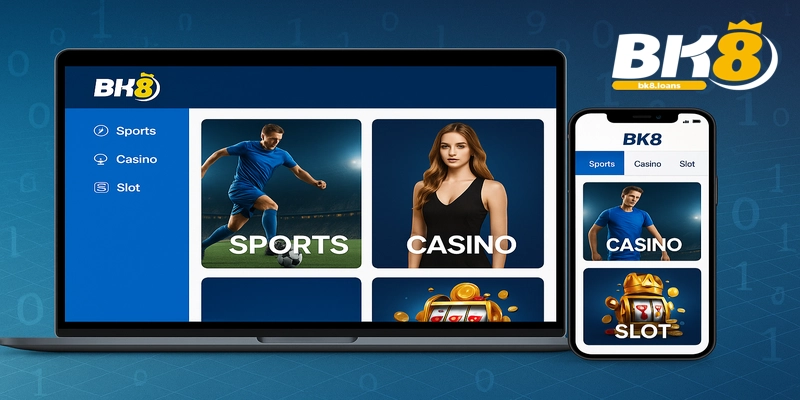
Giao diện của BK8 không chỉ đẹp mắt mà còn được tối ưu hóa cho cả phiên bản di động và máy tính. Điều này có nghĩa là bạn có thể tận hưởng trải nghiệm chơi game liền mạch bất kể thiết bị nào bạn đang sử dụng. Các nút bấm lớn, phông chữ rõ ràng và màu sắc hài hòa giúp người chơi dễ dàng thao tác ngay cả trên màn hình nhỏ. Tính năng này đặc biệt quan trọng vì nó tạo ra sự thuận tiện cho những ai thường xuyên di chuyển và muốn thưởng thức các trò chơi yêu thích mọi lúc mọi nơi.
Ngoài ra, BK8 còn cung cấp nhiều tính năng hỗ trợ người chơi như tính năng tìm kiếm trò chơi, bộ lọc theo thể loại hoặc nhà phát hành game, giúp tiết kiệm thời gian và tăng cường trải nghiệm giải trí. Chưa dừng lại ở đó, việc cập nhật thông tin về các sự kiện, chương trình khuyến mãi hay tin tức mới nhất trong ngành cá cược cũng được trình bày một cách rõ ràng và dễ dàng tiếp cận, đảm bảo rằng người chơi luôn được cập nhật những thông tin quan trọng.
Chương Trình Khuyến Mãi và Tặng Tiền Thưởng
Khuyến mãi là một yếu tố rất quan trọng không thể thiếu trong bất kỳ nền tảng cá cược nào, và BK8 đã chứng tỏ mình là một trong những nhà cái có chương trình khuyến mãi hấp dẫn nhất. Không chỉ dừng lại ở việc cung cấp tiền thưởng chào mừng cho người chơi mới, BK8 còn có rất nhiều chương trình khuyến mãi khác nhau dành cho cả người chơi cũ, từ việc hoàn tiền, thưởng nạp tiền, cho đến các giải đấu đặc biệt với giải thưởng lớn.
Chương trình khuyến mãi của BK8 được thiết kế linh hoạt và phong phú, catering cho từng đối tượng người chơi khác nhau. Các ưu đãi thường xuyên được cập nhật và thay đổi, giúp người chơi luôn có cơ hội nhận được giá trị gia tăng mỗi khi tham gia. Đặc biệt, việc thường xuyên tổ chức các sự kiện và giải đấu không chỉ giúp kích thích sự cạnh tranh mà còn tạo ra không khí sôi động, giúp người chơi cảm thấy hứng khởi hơn khi tham gia.
Hơn nữa, chương trình khách hàng thân thiết của BK8 cũng đáng chú ý khi người chơi có thể tích lũy điểm thưởng qua mỗi lần đặt cược, từ đó đổi lấy các phần quà giá trị hoặc tiền mặt. Chính điều này không chỉ khuyến khích người chơi quay lạ
i mà còn tạo ra động lực để họ tham gia nhiều hơn vào các trò chơi, từ đó mang đến một trải nghiệm thú vị và bổ ích hơn.
An Toàn và Bảo Mật Thông Tin
An toàn và bảo mật thông tin người dùng là một yếu tố sống còn đối với bất kỳ nền tảng cá cược trực tuyến nào, và tại BK8, vấn đề này được đặt lên hàng đầu. Nhà cái sử dụng công nghệ mã hóa tiên tiến nhất để bảo vệ dữ liệu của người chơi, đảm bảo rằng tất cả thông tin cá nhân và giao dịch tài chính đều được giữ kín và an toàn.
BK8 áp dụng các biện pháp bảo mật nghiêm ngặt, từ hệ thống xác thực hai lớp cho đến việc kiểm tra toàn diện các giao dịch trước khi chúng được xử lý. Điều này không chỉ giúp ngăn chặn các hành vi gian lận mà còn tạo ra sự an tâm cho người chơi khi tham gia cá cược trực tuyến. Chính nhờ vào nỗ lực này, BK8 đã xây dựng được lòng tin vững chắc từ phía người chơi, giúp họ yên tâm hơn khi đặt cược và trải nghiệm các dịch vụ tại đây.
Bên cạnh đó, nhà cái cũng thường xuyên cập nhật ứng dụng và nâng cấp hệ thống bảo mật, phù hợp với các tiêu chuẩn quốc tế nhằm đảm bảo rằng mọi thông tin và quyền lợi của người chơi đều được bảo vệ tối đa. Sự cố gắng trong việc xây dựng một môi trường chơi game an toàn và đáng tin cậy đã góp phần củng cố danh tiếng của BK8 trong ngành công nghiệp cá cược trực tuyến.
Phân Tích Thị Trường Game Cá Cược Online
Ngành công nghiệp cá cược online đang có sự bùng nổ mạnh mẽ, với hàng triệu người chơi tham gia vào các nền tảng như BK8 mỗi ngày. Sự phát triển này không chỉ xuất phát từ sự tiện lợi mà cá cược online mang lại mà còn nhờ vào những xu hướng mới, công nghệ tiên tiến và sự cạnh tranh khốc liệt giữa các nhà cái.
Xu Hướng Hiện Tại và Tương Lai
Trong thời điểm hiện tại, người chơi ngày càng ưa chuộng cá cược trực tuyến hơn so với hình thức truyền thống. Một trong những xu hướng nổi bật chính là việc tăng cường trải nghiệm người dùng thông qua các công nghệ mới như thực tế ảo (VR) và thực tế tăng cường (AR). Với VR, người chơi có thể tham gia vào các trò chơi casino cảm giác chân thật hơn bao giờ hết, từ việc thử vận may tại bàn roulette đến việc hòa mình vào không gian sôi động của trò chơi bài.
Ngoài ra, sự gia tăng sử dụng điện thoại di động để cá cược cũng đang mở ra những cơ hội mới cho các nhà cái. Các ứng dụng di động được phát triển không ngừng, giúp người chơi có thể dễ dàng truy cập và tham gia cá cược mọi lúc mọi nơi. Thực tế cho thấy rằng, người chơi ngày càng ưa chuộng những trải nghiệm mượt mà và nhanh chóng trên thiết bị di động hơn là phải ngồi trước máy tính.
Tương lai của ngành cá cược online hứa hẹn sẽ còn nhiều biến động thú vị với sự xuất hiện của các công nghệ tiên tiến hơn nữa, chẳng hạn như trí tuệ nhân tạo (AI) giúp tối ưu hóa các trải nghiệm cá cược và phân tích hành vi người dùng để đưa ra các khuyến nghị phù hợp. Những đổi mới này không chỉ phục vụ cho mục đích kinh doanh mà còn tạo ra một môi trường cá cược an toàn, trách nhiệm và thú vị hơn cho tất cả mọi người.
Cạnh Tranh Giữa Các Nhà Cái
Sự phát triển mạnh mẽ của ngành công nghiệp cá cược online đã dẫn đến cuộc cạnh tranh gay gắt giữa các nhà cái, trong đó BK8 cũng không ngoại lệ. Với hàng ngàn nền tảng xuất hiện trên thị trường, việc thu hút và giữ chân người chơi là một thách thức lớn.
Các nhà cái hiện nay không chỉ cạnh tranh về mức độ uy tín và chất lượng dịch vụ mà còn về chương trình khuyến mãi, danh sách trò chơi, cũng như sự đổi mới trong công nghệ. Những nhà cái nào có khả năng cung cấp trải nghiệm giao dịch suôn sẻ, dễ dàng và an toàn sẽ có lợi thế cạnh tranh hơn hẳn. Chính vì vậy, BK8 đã không ngừng cải thiện dịch vụ và các tính năng của mình để đáp ứng nhu cầu ngày càng cao của người chơi.
Đặc biệt, việc chú trọng đến chất lượng nội dung và dịch vụ hỗ trợ khách hàng cũng là một yếu tố then chốt giúp BK8 khẳng định tên tuổi trong lòng người chơi. Thông qua các chương trình đào tạo nhân viên và đầu tư vào công nghệ mới, BK8 có thể tạo ra một môi trường cá cược thân thiện và chuyên nghiệp hơn, từ đó giành được lòng tin từ khách hàng.
Những Thách Thức Đối Với BK8
Dù đã đạt được nhiều thành công, BK8 cũng phải đối mặt với không ít thách thức trong quá trình phát triển. Trước tiên, sự thay đổi liên tục của luật pháp về cá cược tại nhiều quốc gia có thể ảnh hưởng đến hoạt động kinh doanh của nhà cái. Việc tuân thủ các quy định này không chỉ đòi hỏi sự nhạy bén trong việc nắm bắt thông tin mà còn yêu cầu BK8 có sự hỗ trợ pháp lý vững chắc.
Thứ hai, cạnh tranh từ các nhà cái khác ngày càng trở nên khốc liệt hơn, khi nhiều đối thủ mới xuất hiện với những chiến lược marketing mạnh mẽ và sáng tạo. Điều này buộc BK8 phải không ngừng đổi mới và cải tiến để giữ chân người chơi, đồng thời thu hút người mới.
Cuối cùng, vấn đề về an toàn và bảo mật cũng là một thách thức không thể xem nhẹ. Trong kỷ nguyên số hóa ngày nay, việc bảo vệ thông tin cá nhân và tài khoản của người chơi là rất quan trọng. BK8 cần liên tục nâng cấp hệ thống bảo mật và đào tạo đội ngũ nhân viên để đảm bảo rằng mọi thông tin đều được bảo vệ an toàn trước các nguy cơ từ mạng internet.
Kết luận
Nhìn chung, BK8 đã khẳng định mình là một trong những nhà cái hàng đầu trong ngành công nghiệp cá cược trực tuyến. Với lịch sử hình thành và phát triển rõ ràng, đa dạng dịch vụ, cùng với những tính năng nổi bật, BK8 không chỉ đáp ứng nhu cầu giải trí của người chơi mà còn xây dựng được một cộng đồng người chơi gắn bó và tin tưởng.
Việc cung cấp dịch vụ chăm sóc khách hàng tận tình, cùng với những chương trình khuyến mãi hấp dẫn, đã giúp BK8 tạo dựng lòng tin và sự hài lòng từ phía người chơi. Tuy nhiên, với sự cạnh tranh ngày càng mạnh mẽ và những thách thức trong lĩnh vực bảo mật thông tin, nhà cái cần không ngừng đổi mới và cải thiện dịch vụ của mình để giữ vững vị trí này.
Với những tiềm năng và chiến lược đúng đắn, BK8 có thể hy vọng sẽ tiếp tục phát triển bền vững trong tương lai, mang đến cho người chơi những trải nghiệm cá cược tuyệt vời hơn nữa.
BK8 - Blog chia sẻ kiến thức
Kèo Tỷ Số Chính Xác – Bí Quyết Dự Đoán và Chiến Thắng
Kèo tỷ số chính xác là một loại kèo cược hấp dẫn nhưng cũng đầy [...]
Th6

Kèo Đồng Banh – Bí Quyết Soi Kèo và Chiến Thắng Bền Vững
Kèo đồng banh là một loại kèo phổ biến trong cá cược bóng đá, nơi [...]
Th6

Theo Dõi Biến Động Kèo Nhà Cái – Bí Quyết Chiến Thắng?
Theo dõi biến động kèo của nhà cái là một kỹ năng quan trọng giúp [...]
Th6

Đừng Để Cảm Xúc Chi Phối – Bí Quyết Cá Cược Thành Công
Không cược theo cảm tính hay đội yêu thích là nguyên tắc vàng cho những [...]
Th6